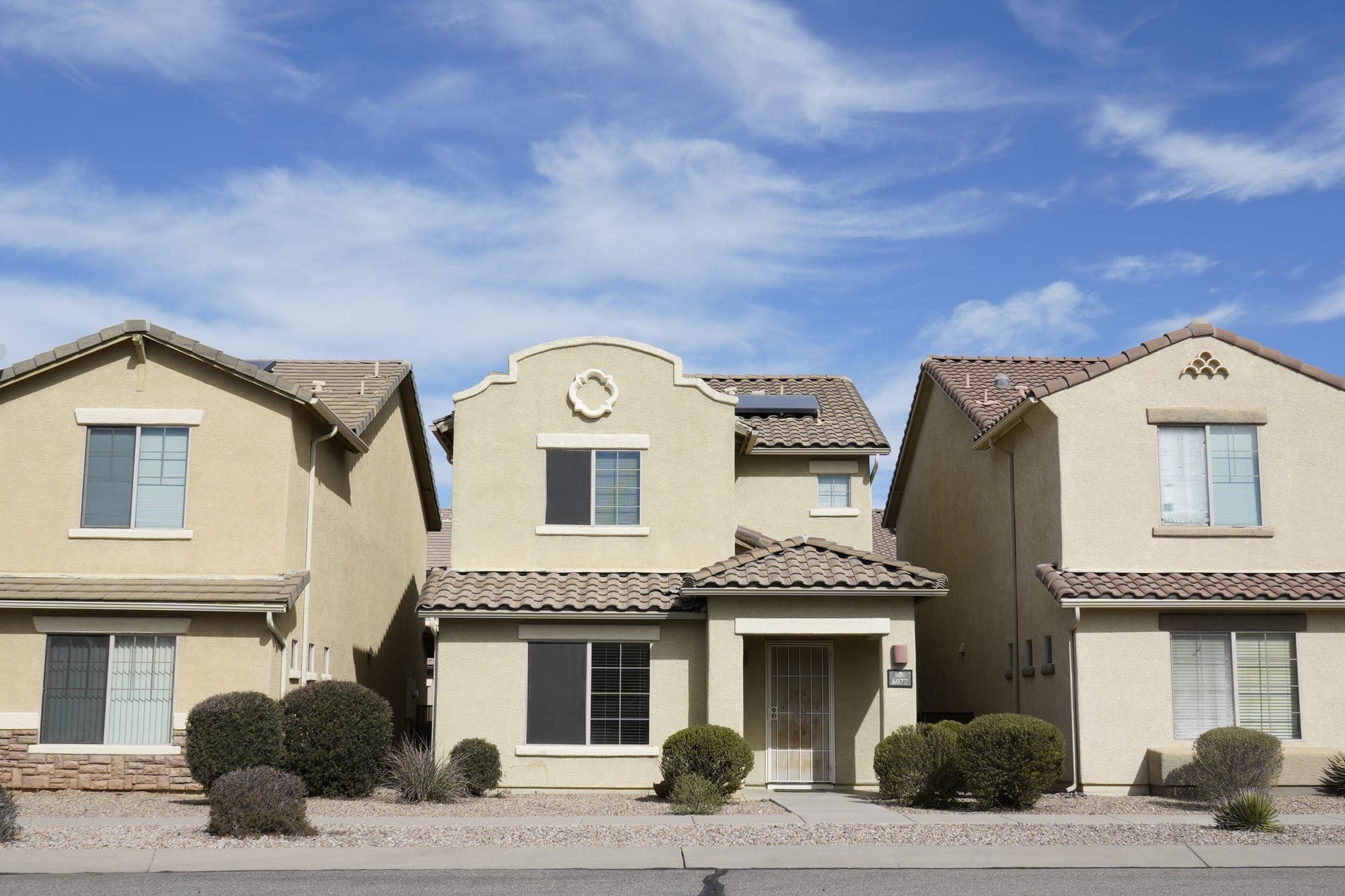
What to Know Before Signing a Utah Listing Agreement
A plain-English guide to what a listing agreement is, what its key terms mean, and what questions sellers commonly have before signing, for sellers who want to understand the document before they commit.

When a seller decides to work with a listing agent, the first step is signing a listing agreement. This is the contract between the seller and the agent's brokerage that defines the terms of their professional relationship — what the agent will do, what it costs, and how long the arrangement lasts.
Listing agreements are legally binding contracts. Understanding what each term means before signing helps sellers enter the relationship with accurate expectations on both sides.
What a listing agreement is
A listing agreement is a contract that authorizes a real estate agent (acting on behalf of their brokerage) to market your property and seek a buyer. In exchange, the seller agrees to pay the brokerage a commission if the property sells under the terms of the agreement.
In Utah, listing agreements are brokerage contracts — the seller's agreement is technically with the brokerage, not the individual agent. The agent represents the brokerage.
The Utah Association of Realtors publishes standard listing agreement forms used by member agents. Non-member brokerages may use their own forms.
Types of listing agreements
Exclusive right to sell
The most common type. The seller authorizes one brokerage to act as their listing agent for the duration of the agreement. If the property sells during that period — regardless of who found the buyer — the listing brokerage earns the commission.
This includes situations where the seller finds the buyer themselves. Under an exclusive right to sell agreement, the seller owes commission to the brokerage even on a sale to a buyer the seller located independently, unless the agreement specifically carves out a named exception.
Exclusive agency
The seller authorizes one brokerage to list the property, but retains the right to sell the property themselves without owing a commission. If the listing brokerage (or a cooperating broker) finds the buyer, the commission is owed. If the seller independently finds and closes with a buyer, no commission is owed.
This type is less common than exclusive right to sell agreements.
Open listing
The seller authorizes multiple agents to market the property simultaneously. The commission is owed only to the agent who produces a ready, willing, and able buyer. Open listings are uncommon in Utah residential transactions and many agents won't accept them, because the agent's effort may benefit another agent.
In Utah residential transactions, the exclusive right to sell is by far the most commonly offered listing arrangement — sellers considering representation will almost always encounter this type.
Key terms in a listing agreement
Listing price
The price at which the property will be offered for sale. This is distinct from the eventual sale price — it's the starting point for marketing. The agent typically provides a comparative market analysis (CMA) as the basis for recommending a listing price, but the seller sets the price.
A seller can change the listing price during the agreement period. Price reductions or increases are memorialized as an amendment to the listing agreement.
Commission
The fee the seller agrees to pay the brokerage if the property sells, expressed as a percentage of the sale price or a flat dollar amount. This is the seller's total commission obligation to the listing brokerage.
In Utah, the listing brokerage may share part of that commission with a buyer's agent as a cooperating commission — or the seller may negotiate a separate offer of compensation to buyer's agents. How buyer agent compensation is structured has changed since the 2024 NAR settlement. For a description of what changed, see what the 2024 NAR settlement changed for Utah buyers and sellers.
Commission is negotiable. Utah law does not set a minimum or maximum. The rate, what it covers, and any circumstances under which it changes are all terms of the specific listing agreement.
Agreement term
The duration of the agreement — the period during which the listing is active and the brokerage has exclusive authorization to market the property. The listing agreement specifies the duration. Terms commonly negotiated in Utah residential listings run 3 to 6 months — though they vary, and shorter or longer terms exist.
After the term expires, the listing agreement ends. The seller is free to list with a different agent, attempt to sell independently, or relist with the same agent under a new agreement.
Protection period (holdover clause)
Most listing agreements include a protection period — sometimes called a holdover clause — that extends the commission obligation for a defined time after the listing expires. If a buyer who was introduced to the property during the listing period purchases it within the protection period (even without the agent's further involvement), the commission may still be owed.
The protection period is defined in the agreement and is typically 30 to 90 days. Its purpose is to protect the brokerage's interest in sales that resulted from their marketing effort but closed after the agreement ended.
What's included in the listing
The agreement specifies what property is being listed — the address and legal description — and what's included in the sale. Inclusions and exclusions (what stays with the property and what the seller is keeping) should be addressed here and carried over accurately into any purchase contract.
MLS authorization
Most listing agreements authorize the brokerage to list the property on the Multiple Listing Service (MLS). This is what syndicates the listing to Zillow, Realtor.com, and other real estate search platforms. The agreement typically also addresses yard signs, lockboxes, and other marketing elements — which the seller authorizes or declines.
Agent duties
The listing agreement defines the brokerage's duties to the seller. Under Utah's Real Estate Licensing and Practices Act (Utah Code Chapter 61-2f), licensed agents owe their principal baseline duties including loyalty (acting in the seller's best interest), disclosure (sharing material information about the transaction), and confidentiality. A real estate attorney can advise on how these duties apply in a specific situation.
In a typical exclusive listing arrangement, the listing agent represents the seller. In a situation where the listing agent's brokerage also represents the buyer — called dual agency, or limited agency under Utah Code Chapter 61-2f — the dynamics change. That chapter requires specific written disclosures and written consent from both parties before the brokerage can act in that capacity. What it means for the representation relationship is explained in the disclosure the brokerage provides; confirm any questions with a real estate attorney.
Seller obligations
The listing agreement also defines seller obligations — primarily, to cooperate with the agent's marketing efforts (providing access for showings, completing disclosures in a timely way, responding to offers) and not to interfere with the agent's ability to perform.
Questions sellers commonly ask before signing
Can I cancel if circumstances change?
The listing agreement specifies any cancellation rights. Some agreements allow either party to cancel with written notice; others do not provide for early cancellation except for cause. If the ability to cancel early is important to a seller — because of uncertainty about timing, or because they're not sure they want to sell — this is a term to review carefully before signing.
What happens if I find my own buyer?
Under an exclusive right to sell agreement, the seller owes commission regardless of who found the buyer — unless the agreement includes a named exception. Some sellers entering an exclusive right to sell agreement have a specific person in mind who might want to buy the property. In those situations, a seller may ask that person or people to be listed as named exceptions in the agreement. Whether an exception is granted is a matter between the seller and the brokerage.
Under an exclusive agency agreement, the seller retains the right to sell independently without owing commission.
Is the commission rate fixed?
No. Commission rates are negotiable. The listed rate in the agreement is what the seller and brokerage agreed to — it can be higher or lower than any industry "standard." There is no required rate. Sellers can discuss commission with an agent before signing, and the agreed rate becomes part of the contract.
What marketing will the agent do?
Listing agreements vary in how specifically they describe the agent's marketing obligations. Some are detailed; many are not. Sellers who have specific expectations about marketing — professional photography, staging, specific platforms, open houses, frequency of communication — may want to discuss and document those expectations before signing, either in the agreement itself or a separate written understanding.
What does the listing price mean for the eventual sale price?
The listing price is the starting point, not a guarantee. The property may sell above, below, or at the listing price, depending on market response, offers received, and negotiation. The listing agent recommends a price and markets the property; the seller accepts or declines offers.
What happens after signing
Once the listing agreement is signed, the agent begins preparing the property for the market — scheduling photography, completing the MLS data entry, coordinating any pre-listing preparation. The listing goes live on the MLS and affiliated platforms at the agreed-upon time.
From that point, the agent markets the property, coordinates showings, presents offers to the seller, and advises on negotiating. The seller reviews offers and makes decisions about whether to accept, counter, or decline.
When an offer is accepted, both parties sign the purchase contract (the REPC in Utah), and the transaction proceeds through the due diligence, financing, and closing process. For a walkthrough of what happens after an offer is accepted, see what happens between accepted offer and closing in Utah.
At closing, the listing brokerage's commission is paid out of the seller's proceeds. The seller's estimated net proceeds — after commission, closing costs, and mortgage payoff — are reflected on the settlement statement the title company prepares. You can estimate those numbers in advance with the Utah closing cost calculator or see the full breakdown in what will I net selling my house in Utah.
Alternatives to a full-service listing agreement
Full-service representation is one of several ways a seller can bring a property to market in Utah. The alternatives are defined in the how much does a real estate agent cost in Utah article, which covers flat-fee MLS services, discount brokerages, attorney representation, and digital offer platforms. What each option includes and doesn't include varies significantly.
Frequently asked questions
Is a listing agreement required to sell my home in Utah?
No. A listing agreement is required only if you're working with a licensed real estate agent or brokerage. Sellers who list their property independently (FSBO) do not sign a listing agreement. The listing agreement is the contract between the seller and the agent, not a requirement of the transaction itself.
Can I change agents if I'm under a listing agreement?
This depends on the cancellation terms in your agreement. Most exclusive listing agreements don't provide for cancellation without cause before the term ends. If the brokerage has breached its obligations, there may be grounds for termination. Sellers who want to change agents while under contract should review the cancellation provisions in their agreement and, if needed, consult a real estate attorney.
What is dual agency and how does it apply to listing agreements?
Dual agency occurs when the same brokerage represents both the buyer and the seller in the same transaction. Under Utah Code Chapter 61-2f, dual agency — called limited agency — requires specific written disclosures and written consent from both parties before the brokerage can represent both buyer and seller. The implications for the representation relationship are significant — the agent cannot advocate exclusively for either party's interests when representing both. The brokerage is required to explain what this means before obtaining consent. Confirm specifics with a real estate attorney.
Are there listing agreement terms that are negotiable?
Most terms are negotiable before signing. Commission rate, agreement term, marketing obligations, protection period length, and seller carve-outs for independently-found buyers are all matters parties can discuss. Once signed, the agreement is a binding contract and changes require written amendment. What is and isn't negotiable for any specific brokerage depends on that brokerage's policies.
What is the MLS, and does my property have to be listed there?
The Multiple Listing Service (MLS) is a database used by participating real estate agents to share property listings. Listing on the MLS causes the property to syndicate to Zillow, Realtor.com, and other platforms — it's the main mechanism for reaching buyer's agents and their clients. The listing agreement typically includes MLS authorization, but a seller can request a listing be withheld from the MLS (called an office exclusive listing) under specific rules. Most sellers opt for MLS listing because it maximizes exposure.
This article is for informational purposes only and does not constitute legal, financial, or real estate advice. Listing agreement terms vary between brokerages. Review any agreement carefully and consult a licensed real estate attorney if you have questions about specific provisions before signing.
General information, not legal advice. For advice about your situation, talk to a Utah real estate attorney.
Ready to start receiving offers?
List your property for free and get structured offers directly from buyers.